
Cutting, Brazing & Welding
You’re paying acetylene prices for results you shouldn’t have to settle for.
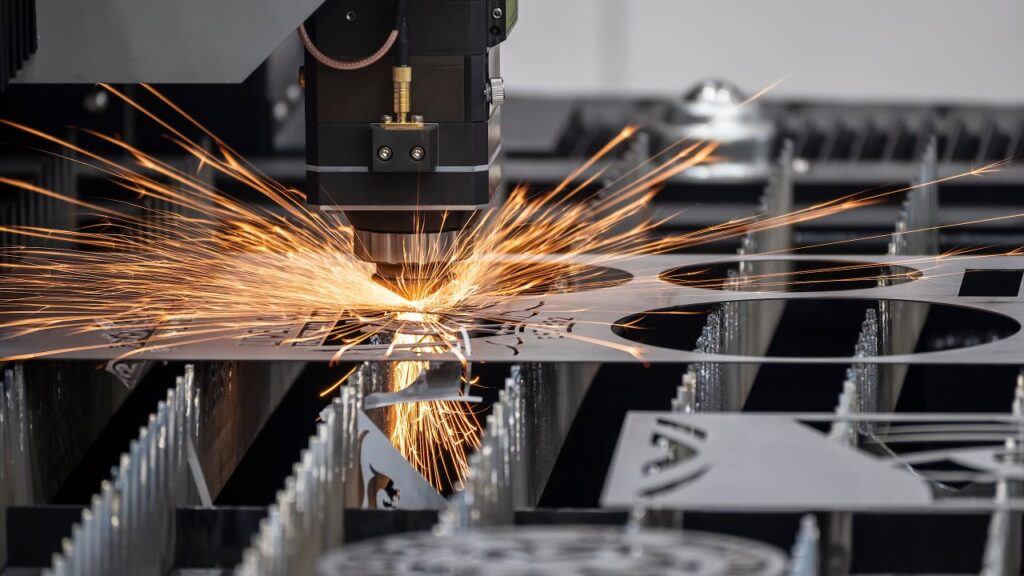
Acetylene has been the default for decades. But it’s expensive per cylinder, low in volume, shock-sensitive, and incompatible with copper systems. Most shops that have switched away from it don’t go back — not because of loyalty, but because the numbers and the cut quality both improve.
If you’re cutting, brazing, preheating, or flame straightening carbon steel, there’s a better option that works with the equipment you already have.
What’s likely happening in your shop right now
- Frequent cylinder changeovers pulling crews off the job
- Slag and spatter requiring post-cut grinding — adding labor time to every cut
- Slower preheat on thick or heavily rusted material
- Flashback risk with acetylene at high flow rates
- Premium fuel costs eating into job margins
- Incompatibility with copper distribution systems limiting your setup options
Pro 2000-Fuel Gas: propane-based, acetylene-competitive.
Pro 2000-Fuel Gas is produced by treating propane with Pro 2000-T concentrate at a ratio of 1:1,000 gallons. The result is a cutting fuel that matches acetylene on starts and beats it on volume, safety, and cost.
More volume per cylinder. A 100 lb. cylinder of Pro 2000-Fuel Gas contains 866 cubic feet and 2,261,992 BTUs. A standard acetylene cylinder contains 350 cubic feet and 518,000 BTUs. That’s roughly 5.6 times more volume — meaning far fewer changeovers and more time cutting.
Cleaner cuts, less grinding. Pro 2000-Fuel Gas produces virtually no slag or spatter. In most cases grinding after the cut is eliminated entirely — a direct reduction in labor time per job.
Performs where acetylene struggles. Heavily rusted or mill-scaled material? Pro 2000-Fuel Gas cuts it cleanly and with a better finish than acetylene. Superior performance on material over 1.5” thick.
Safer to handle and store. Not shock-sensitive. Will not form explosive acetylides on contact with copper or silver alloys — meaning copper pipe and tubing can be used throughout your distribution system. Handled, stored, and transported in standard DOT-approved LP gas equipment.
No new equipment needed. Switching from Mapp, propylene, or propane requires no changes at all — same tips, torch, regulators, and hose. Switching from acetylene requires only new cutting tips, a rosebud, and a twin hose assembly.
Who benefits
Body shops, fabrication shops, plate shops, maintenance yards, scrap cutters, container repair, shipyards, canneries, pulp and paper mills, sawmills, portable welders, hobbyists — essentially any operation running oxy-fuel.
Find out what you’d save per year.
We’ll run a computerized cost analysis based on your current fuel usage and cylinder consumption — specific to your shop, not a generic estimate.