
Heating & Industrial Burners
Your propane is costing you more than it should
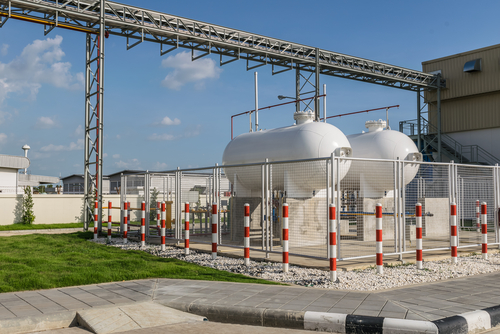
If your burners are running longer to hit the same temperatures, your fuel bills are climbing, or your maintenance team keeps pulling deposits out of vaporizers and orifices — the propane isn’t the problem. The way it’s burning is.
Untreated propane burns incompletely. That means wasted BTUs, higher stack emissions, and equipment that works harder than it needs to. Over time, sulfur compounds, carbon, wax, and oil accumulate in your fuel delivery system — quietly degrading performance and shortening equipment life.
What this looks like in your facility
- Burners running longer cycles to reach target temperatures
- Increased fuel consumption with no change in output demand
- Carbon and wax buildup in vaporizers, meters, valves, and burner orifices
- Rising stack emissions creating compliance headaches
- More frequent maintenance pulls and unplanned downtime
There’s a straightforward fix
Pro 2000-Caloric is a propane additive that treats fuel at the point of storage — injected directly into your tank before filling. At a treat ratio of one gallon per 3,000 gallons of propane, it does two things:
1. Burns hotter and faster. Treated propane releases heat an average of 9% faster and burns at 50°–100°F higher flame temperature. Your equipment reaches target temperature sooner, runs shorter cycles, and uses less fuel to do the same work.
2. Cleans as it runs. Detergents and emulsifiers suspend and remove carbon, wax, oil, and sulfur compounds from your entire fuel delivery system — storage tanks, vaporizers, meters, valves, piping, and burner orifices — while your equipment stays online.
No retrofits. No downtime. No operational changes.
The result
Less fuel consumed per task. Cleaner equipment. Lower emissions. And a maintenance burden that shrinks over time rather than growing.
Facilities running Pro 2000-Caloric consistently see reduced fuel costs, fewer deposit-related service calls, and measurably lower stack emissions.
Find out what you’re leaving on the table.
We’ll run a cost analysis specific to your facility’s fuel consumption and equipment profile — so you can see the projected savings before committing to anything.
[Request Your Free Cost Analysis →]